
As you eat, so shall you poop
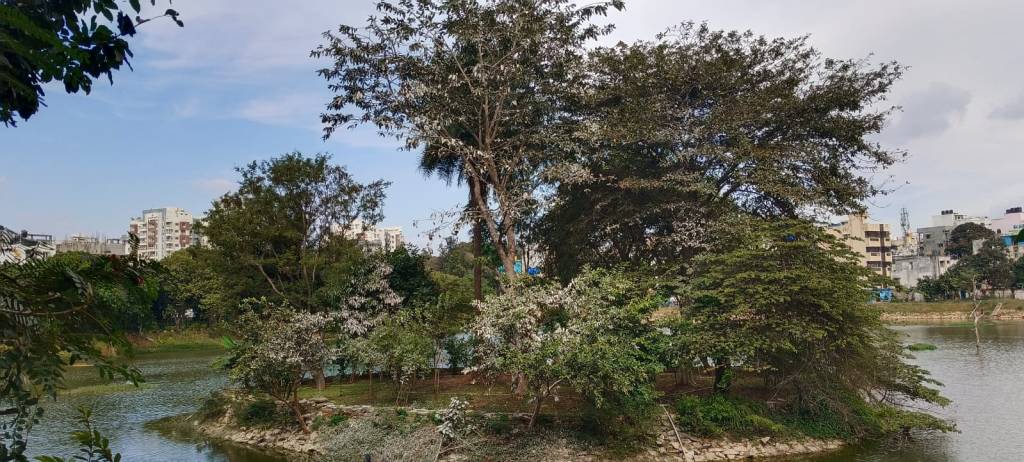
The trees on the island at our Puttenahalli Puttakere have turned white with splotches of bird poop. At first, we attributed it to the Brahminy kite which was then nesting on the tall Terminalia arjuna. We saw the chick grow and hop from one branch to another. When this stopped, we knew it must have flown away. The parent too abandoned the nest. However, far from ceasing, bird droppings steadily covered the branches of trees growing below the arjuna.
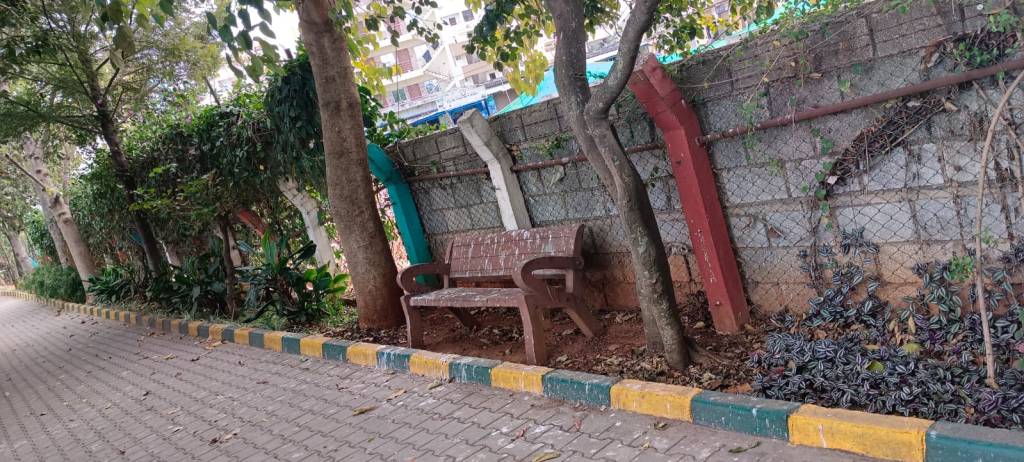
Then the telltale white appeared on the walking path below the Sheesham (Dalbergia sissoo). It looked as if an amateur had tried to the paint the leaves and ended up splattering the ground. Not far from this, a bench was rendered useless with so many blotches all over it.
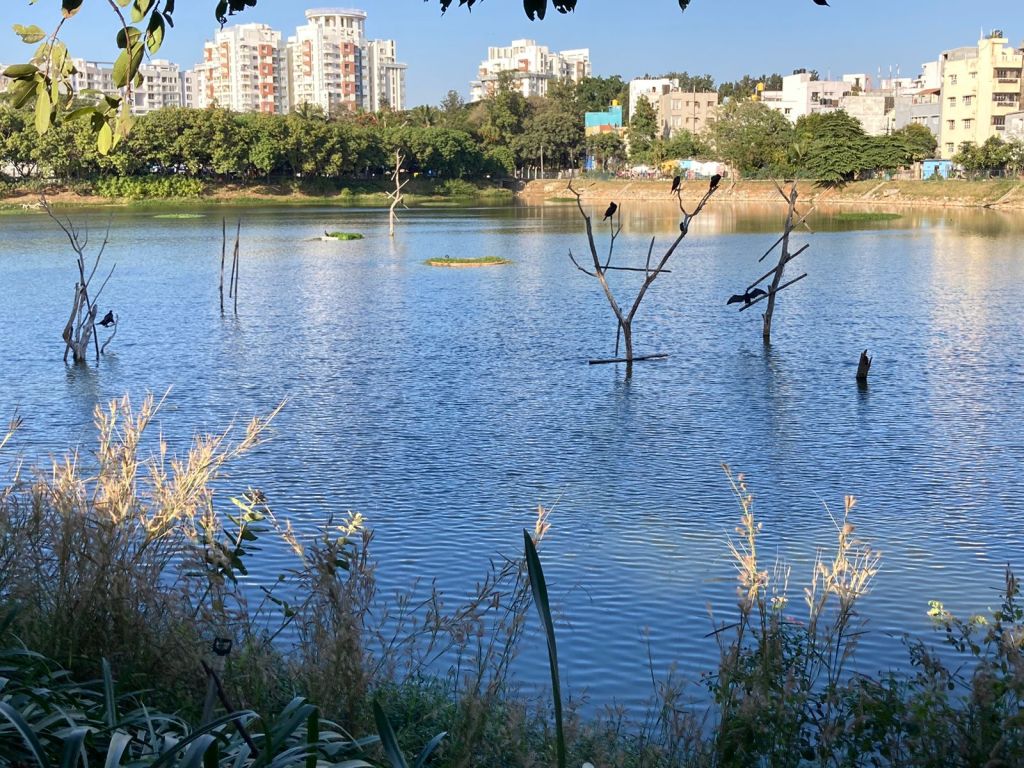
The obvious suspects were the cormorants which outnumbered the other species by far. This meant that the water was deep and the fish in plenty for, cormorants and darters are voracious eaters. They are not the favourite bird of fishermen. I didn’t care for them either because there were too many of them at our lake.
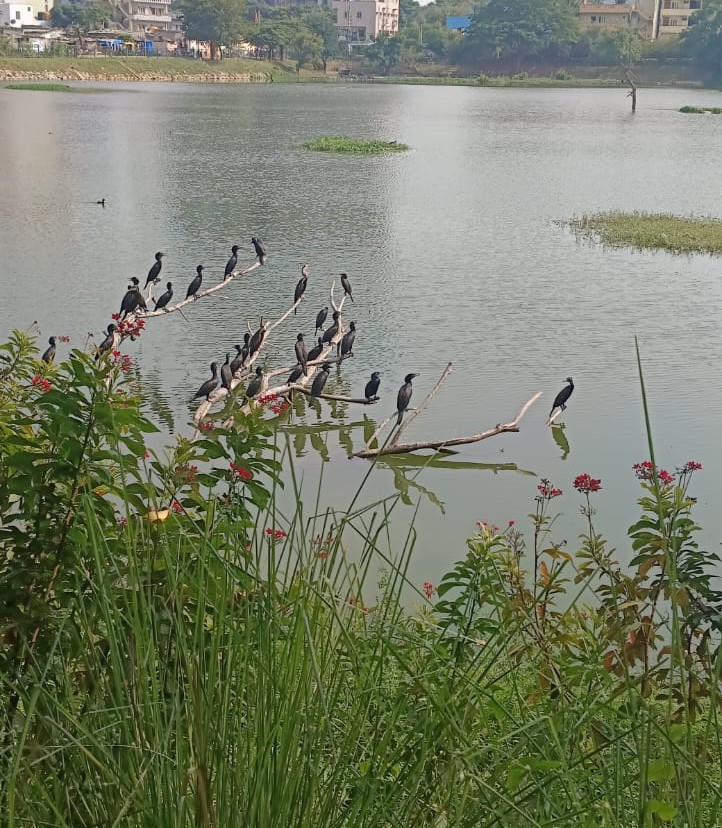

If they were not diving, they would be sitting majestically with their black wings spread wide to dry in the sun. It gave a wonderful photo op for visitors to the lake but I’d had enough of both the cormorants and its photos. Naturally, I wasn’t concerned about where they went to roost for the night after gorging at Puttakere.
Dr S Subramanya, renowned ornithologist, and our advisor, was coming all the way from north Bengaluru to attend a wedding at a location a few meters from the lake. I was thrilled at the opportunity to pick his brains and also nervous because he had been against filling the lake with treated water. He wanted the lake to be full during the monsoon and dry up in summer so that the basin can be cleaned. We would have done this except that not all the feeder drains were active during the rains and the higher reaches of Puttakere remained dry.
When Dr Subbu arrived, the lake was looking its best with rippling water, cormorants and Indian shags sitting on the perches, purple swamphens on the floating islands, a grey heron taking off from one place and landing on another. Closer at hand, a lively prinia flitted among the bright red flowers of a Bottle brush shrub. To our right was the tall green hedge of Hamelia patens appropriately called firebush for its clusters of red and orange tubular flowers.
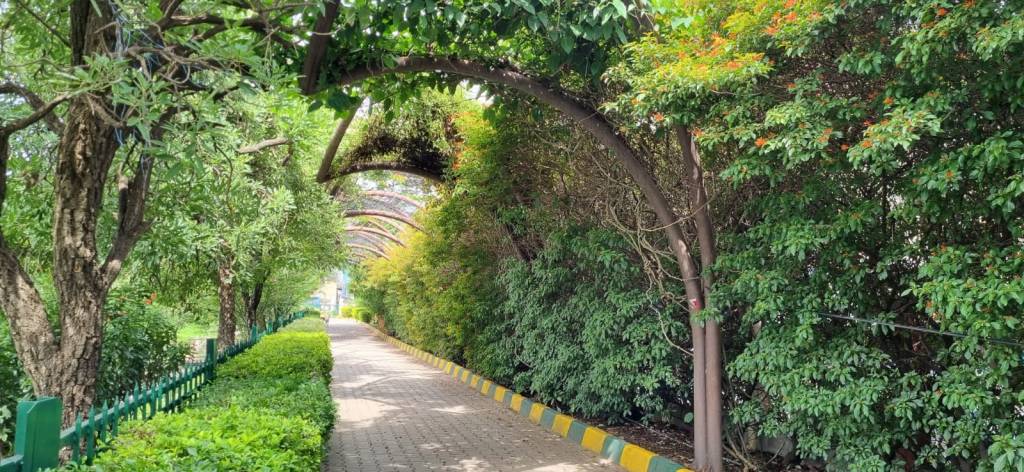
I could sense Dr Subbu’s appreciation even though he said the pathway should have been swept by 8 am and the dry leaves heaped around the base of the trees rather than strewn between them.
‘Ah! You’ve birds roosting at night!’ he remarked stopping short at the white splodges.
But of course! Come to think of it, wherever I’d seen dry poop on the ground, above it had been a rich canopy of trees. Had our trees grown so tall that birds are roosting on them? My imagination took flight.
Among the leaves and branches high above, I could see clusters and clusters of nests, many with a chick or two peeping out. In others, the parents with little fish and insects in their beaks feeding the young ones, the babies learning to fly, growing bigger and of course building their own nests at Puttakere someday? And ah… the poop. It’s everywhere!
Oh, I love cormorants.
 Usha Rajagopalan "Lakeika"
The lake looks beautiful & so many variety of birds visiting it speaks volumes. This lake is a place of great attraction for both local & outside people of Bengaluru 🌺
LikeLike
It is very heartening to see the lake and it’s surroundings looking soo very green. Hopefully in the long run, the tall growing trees (Arjuna, Ippe, Wild Mango) will provide nesting sites & berries and especially the much needed cavities for birds; And the fruit bearing trees (Indian Goosberry, Jamun, Custard Apple, Flame of the Forest, Sampige etc.) will provide the fruits and berries that are suited to support the endemic birds and insects. Many a variety of birds are already visiting and nesting in the surroundings, hoping to hear of the Grey Hornbills calling our region Home, and, I am sure it’s not too far away for that either. A special note: We all should be very happy to see the tall variety of trees growing well. These trees are not only tall, but live for hundreds of years, thus providing the much needed cavities for the birds. Unfortunately, most of the old growth trees have been uprooted in not Bangalore and surroundings, but all through the State in the name of Road widening…..the old heritage trees that were soo very vital for Cavity birds are no more.
LikeLike